
Key Takeaways
- Dermatologists and dermatologic research point to silk pillowcases over cotton because silk reduces friction, helps skin retain moisture, and offers hypoallergenic benefits for sensitive and acne-prone skin
- Silk pillowcases glide against the skin rather than dragging, which helps minimise sleep creases and supports a more rested appearance compared with cotton
- Cotton can absorb up to 30% of its weight in liquid while silk absorbs only around 11%, meaning skincare products are more likely to stay on the skin rather than the pillow
- Silk’s tightly woven structure and low moisture retention make it a naturally hypoallergenic surface that is less hospitable to dust, allergens, and irritation, which can support acne-prone and sensitive skin
- Choosing the right momme weight of mulberry silk makes a real difference to how long these skin benefits last, as detailed further in the article
Bedtime habits matter more for skin health than most people realise, and the fabric underneath the face every night plays a surprisingly large part. Dermatologists have long pointed to one simple swap that supports smoother, calmer skin: choosing silk over cotton. This piece looks at the reasoning behind that recommendation, what cotton does to skin overnight, and how to choose genuine silk that actually delivers these benefits.
Silk Cuts Skin Friction by Up to 43%
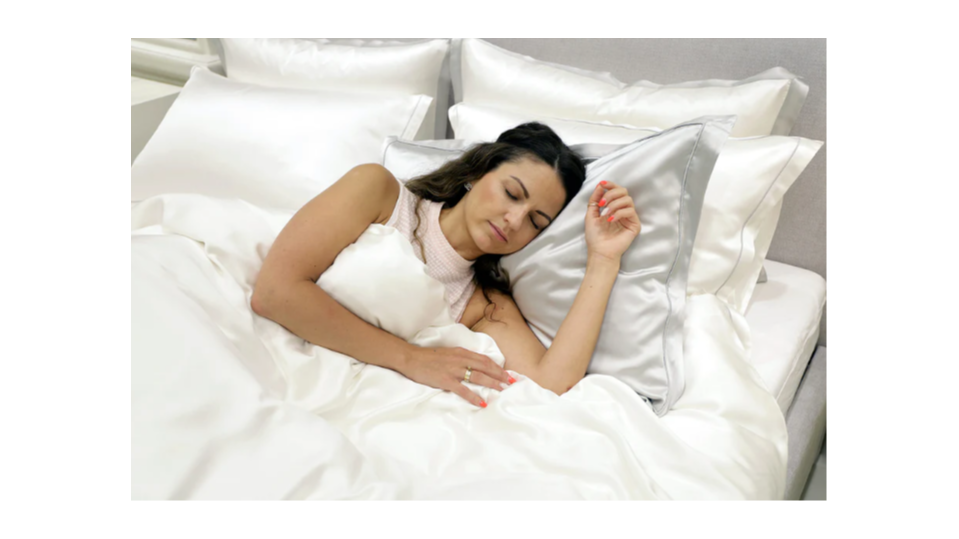
Every night, skin spends roughly eight hours pressed against a pillow, and the fabric it touches makes a measurable difference. Cotton fibres grip and pull at the skin rather than gliding over it, and that dragging happens repeatedly as a sleeper shifts position through the night. Smoother fabrics such as silk reduce that friction, which helps minimise sleep creases and supports a more rested look come morning.
Pure mulberry silk pillowcases, like the ones Mayfairsilk makes, offer a practical way to feel this difference directly against the skin. Reducing friction is not a cosmetic nicety; it is the foundation on which most of silk’s other skin benefits are built.
How Cotton Damages Skin Overnight
Cotton feels familiar and soft to the touch, yet its fibre structure behaves quite differently once it meets skin for hours at a time. Understanding what happens explains why dermatologists steer patients away from it for overnight use.
Friction, Sleep Creases and Ageing
Cotton fibres do not glide. Instead, they grip and pull at the skin whenever the sleeper shifts position, and that tugging happens dozens of times over a typical night. As skin ages and loses elasticity, sleep creases take longer to smooth out, and because cotton drags rather than glides, those creases can linger further into the day. What starts as a temporary crease in younger skin can gradually become a more visible line, simply from years of repeated pulling against a rough surface.
Cotton’s Moisture-Absorbing Problem
Cotton is prized in towels and bath linens precisely because it soaks up liquid so efficiently, but that same quality works against skin overnight. The fabric pulls moisture from the skin’s surface and from any night cream or serum applied before bed. Rather than sinking in and doing its job, a carefully chosen retinol or overnight moisturiser can end up partially absorbed into the pillowcase instead of the face.
Why Silk Keeps Skin Hydrated
Silk behaves almost like the opposite of cotton in terms of moisture absorption. Its fibres are naturally low in absorbency, so the fabric does not draw hydration away from skin in the way cotton does. This property forms the foundation of much of silk’s reputation as a skin-friendly fabric.
Lower Absorbency Locks In Skincare
Cotton can absorb up to 30% of its weight in liquid, while silk sits at a much lower absorbency of roughly 11%. That gap explains why skin sleeping on silk tends to hold onto its natural moisture far more effectively through the night. It also means that night serums, retinols, thick overnight moisturisers and hydrating sleep masks are more likely to stay on the skin rather than transferring onto the pillow. For anyone investing time and money into an evening skincare routine, this is a meaningful difference: the products applied before bed get the chance to actually work, rather than disappearing into the fabric.
A Hygienic Surface for Sensitive Skin
Beyond friction and hydration, silk provides a cleaner sleep surface, which matters for skin prone to breakouts, redness, or irritation.
Hypoallergenic and Dust-Resistant
Silk’s tightly woven structure leaves very little room for dust, pollen, and other common allergens to settle into the fabric. Because silk does not retain moisture the way cotton does, it also creates a drier environment that is naturally less hospitable to dust mites. The result is a sleep surface that stays cleaner between washes, a welcome quality for anyone dealing with allergies or reactive skin.
Supporting Acne-Prone and Sensitive Skin
Silk is naturally hypoallergenic, non-irritating, and resistant to dust, mould, and mites, which is why it is often recommended for sensitive skin, eczema, psoriasis, or acne. Combined with reduced friction against active blemishes, sleeping on silk can mean fewer new breakouts and calmer healing overnight.
What Dermatologists and Surgeons Say
Medical opinion on this topic is notably consistent. Placing the face on a pillow causes repeated contact and pressure on the skin, and this effect, aggravated by the simple friction of a cotton pillowcase, can contribute over time to more visible wrinkles linked to declining collagen. Softer, purer textiles such as silk are widely recommended as a gentler alternative for skin that spends hours each night pressed against a pillow.
Choosing Genuine Mulberry Silk
Not every silk pillowcase on the market delivers these benefits equally, and the difference often comes down to the quality and weight of the silk itself.
Why 22-Momme Silk Matters
Momme is the unit used to measure the density and weight of silk fabric, and it is a useful guide when comparing products. High-quality silk, such as 22-momme mulberry silk, is generally recommended for its durability, smoothness and breathability compared with lighter, thinner alternatives. Thinner silk may feel similar on first touch but tends to wear thin and lose its gliding quality far sooner, reducing the very benefits that make silk worth choosing in the first place.
Temperature Regulation Benefits Fragile Skin
Silk is a natural heat regulator, keeping sleepers cool in summer and warm in winter without the clamminess that some synthetic fabrics produce. This quality is especially appreciated by those prone to night-time hot flushes or living with fragile, inflamed or sensitive skin, since stable temperature reduces the chance of skin becoming further irritated overnight. A pillowcase that manages temperature well also tends to encourage steadier, less disrupted sleep, which supports skin’s natural overnight repair processes.
The Verdict: Silk Beats Cotton for Skin
Weighing the evidence side by side makes the case fairly clear. Cotton absorbs moisture, drags against skin, and creates the kind of repeated friction linked to sleep creases and, over time, more persistent wrinkles. Silk, by contrast, offers lower absorbency, a smoother glide across skin, and a naturally hypoallergenic surface that resists dust and allergens.
For anyone building a skincare routine around hydration, calm skin, and fewer signs of overnight damage, the fabric beneath the face deserves just as much attention as the products applied to it. Choosing well-made mulberry silk pillowcases with a substantial momme weight is a practical, low-effort step that supports the rest of that routine every single night.
Mayfairsilk
13 Hanover Square
Mayfair
London
England
W1S 1HN
United Kingdom


